





In deepest hollow of our minds
A system failure left behind
And their necks crane
As they turn to pray for rain
And their necks crane
Dull residue of what once was
A shattered cloud of swirling doves
And their eyes change
As they learn to see through flames
And their necks crane
As they turn to pray for rain
And their eyes change
As they learn to see through flames
And their necks crane
As they turn to pray for rain
Drops on rocks fall fast and fleeting
Hearts and wings commence to beating
Woods unseen with all believing
Vision walls fall all receding
Vision walls fall all receding
Drops on rocks come fast and fleeting
Rhythm laws unleash their meaning
Usher us into the dreaming
Vision walls fall all receding
Hearts and wings commence to beating
All unending all completing
Vision walls fall fast and fleeting
Vision walls fall all revealing
Vision walls fall all revealing
Vision walls fall all revealing
Vision walls fall all revealing
In deepest hollow of our minds
A system failure left behind
Dull residue of what once was
A shattered cloud of swirling doves
And their eyes changed
As they learned to see through flames
And their necks craned
As they prayed for rain
Massive Attack est un groupe musical britannique formé à Bristol en 1987. Considérés comme des pionniers du trip hop, ils ont profondément influencé la musique électronique des années 90 et suivantes. Le groupe est composé de Robert "3D" Del Naja, Grant "Daddy G" Marshall, et l'ancien membre Mushroom. Massive Attack est connu pour son son sombre et atmosphérique, caractérisé par des échantillons de jazz, funk et soul, des rythmes hip hop et des mélodies électroniques. Parmi leurs albums les plus importants figurent "Blue Lines" (1991), considéré comme un classique du trip hop, "Protection" (1994) et "Mezzanine" (1998). Le groupe a collaboré avec de nombreux artistes, notamment Horace Andy, Shara Nelson, Elizabeth Fraser des Cocteau Twins et Tricky. Certains de leurs morceaux les plus représentatifs sont "Unfinished Sympathy", "Teardrop", "Angel" et "Risingson".
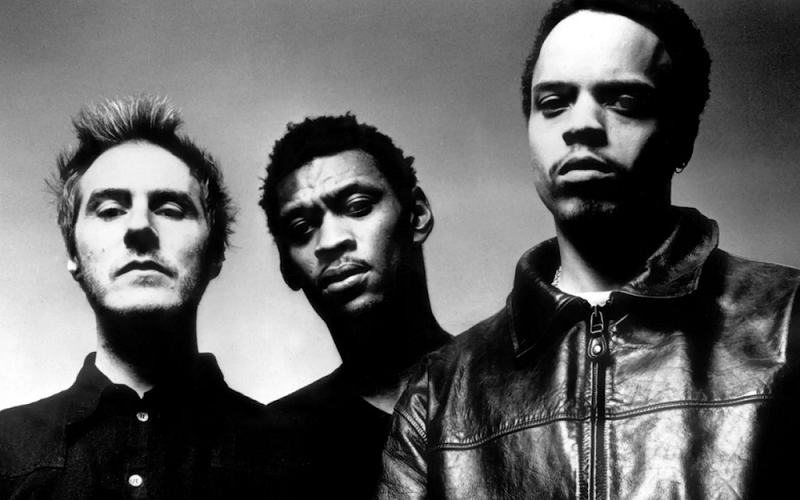
Massive Attack vient de réaliser en collaboration avec le Tyndall Center for Climate Change Research un court métrage sur les risques du changement climatique liés à la live musique.

 Rachel Stevens
 Young Fathers
 The 4-Skins
 The Jeevas
 Remy Zero
 High Contrast
 Amber Run
 Daughter
 Melanie C
 Just Jack
 Embrace
 Go West