






(Ann Ronell)
Willow weep for me
Willow weep for me
Bend your branches green along the
Stream that runs to sea
Listen to my plea
Hear me willow and weep for me
Gone my lovers dream
Lovely summer dream
Gone and left me here to weep my
Tears into the stream
Sad as I can be
Hear me willow and weep for me
Whisper to the wind and say that love has sinned
Left my heart a-breaking, and making a moan
Murmur to the night to hide its starry light
So none will see me sighing and crying all alone
Weeping willow tree
Weep in sympathy
Bend your branches down along
The ground and cover me
When the shadows fall, hear me
Willow and weep for me
Oh, Weeping willow tree
Weep in sympathy
Bend your branches down along
The ground and cover me
When the shadows fall, hear me
Willow and weep for me
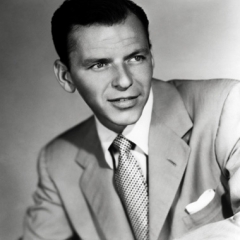
Francis Albert Sinatra, connu simplement comme Frank Sinatra, a été l'un des plus grands interprètes de la musique américaine du XXe siècle. Né à Hoboken, New Jersey, en 1915, Sinatra a commencé sa carrière musicale dans les années 1930 avec le groupe d'Harry James et ensuite avec celui de Tommy Dorsey. En 1942, il fait ses débuts en solo avec un contrat d'enregistrement avec Columbia Records. Sa voix chaude, puissante et versatile, ainsi que son charisme magnétique, l'ont fait devenir l'un des chanteurs les plus aimés au monde. Sinatra a interprété une large gamme de genres musicaux, du jazz au pop, en passant par le swing et la musique légère. Parmi ses chansons les plus célèbres figurent "My Way", "Fly Me to the Moon", "New York, New York" et "Strangers in the Night". Outre la musique, Sinatra a joué dans de nombreux films, remportant même un Oscar en 1954 pour son rôle dans "From Here to Eternity". Son influence sur la musique et la culture américaine a été immense, et continue d'être célébrée par des générations d'artistes et de fans.

 Jim Verraros
 The Beautiful Mistake
 Carlos Macías
 Beneath The Sky
 Christy Nockels
 Automatic Loveletter
 Bell Biv Devoe
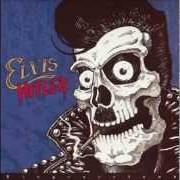 Elvis Hitler
 Greta
 Angel Faith
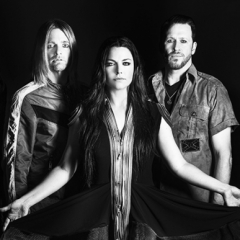 Evanescence
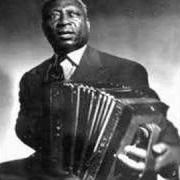 Leadbelly