




Smile,
Though your heart is aching
Smile,
Even though it's breaking
When there are clouds in the sky
You'll get by
If you smile
With your fear and sorrow
Smile and maybe tomorrow
You'll find that life is still worthwhile
If you just
Light up your face with gladness
Hide every trace of sadness
Although a tear maybe ever so near
That's the time you must keep on trying
Smile,
What's the use of crying
You'll find that life is still worthwhile
If you just
Smile,
Though your heart is aching
Smile,
Even though it's breakin'
When there are clouds in the sky
You'll get by
If you smile
Through your fear and sorrow
Smile and maybe tomorrow
You'll find that life is still worthwhile
If you just smile
That's the time
You must keep on trying
Smile,
What's the use of crying
You'll find that life is still worthwhile
If you just smile
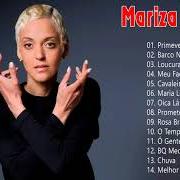
Mariza (nom complet Marisa dos Reis Nunes) est l'une des artistes les plus importantes du fado contemporain. Née à Lisbonne en 1973 de parents angolais, Mariza a commencé à chanter dès son enfance, influencée par la musique traditionnelle portugaise et son environnement familial. En 1998, elle a fait ses débuts avec l'album "Fado Curvo", qui lui a valu un succès immédiat au Portugal et à l'étranger. Son style vocal puissant et émouvant, combiné à une sensibilité musicale raffinée, l'a consacrée comme l'une des voix les plus représentatives du fado moderne. Mariza a collaboré avec des artistes de renommée internationale tels que Cesária Évora et Carlos Santana, étendant le public du fado au-delà des frontières portugaises. Parmi ses chansons les plus célèbres figurent "Fado Curvo", "Chuva de Prata" et "Não Me Ames". Mariza a reçu de nombreux prix pour sa musique, dont un Grammy Award en 2001.

 Sara Tavares
 The Gift
 Misia
 Salvador Sobral
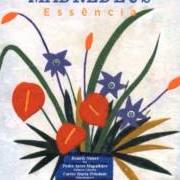 Madredeus
 More Than A Thousand
 Cristina Branco
 Wesley Seme
 David Fonseca
 Amalia Rodrigues
 Heavenwood
 Ramp