





3D
Take me where the tides start
And i can pull you into me
You're really crushing gravity
Your corona is reaching consequences
??? my ???
It all comes back to me
???
Collects like dust around my head
And lightly rings and clings
Can't be shakin' off the the last
Like characters we laugh and laugh
You're ??? to ??? you
There's nothing i can save for this
No fold it up in 2 of this
No violent string
No flight path
No cream
Comes back to me
Comes back to me
It all comes back to me
It all comes back to me
It all comes back to me
Comes back to me
Comes back to me
Don't kiss me
Infrared to find you
I fly in to remind you
I burnt my universe for you
Attracted to opposing poles
As you know the proverb goes
It sacrifice your history
No use to me, no mystery
No use to me, no use to see
No use to me, no use to see
No use to me, no use to see
Comes back to me
No use to me, back to me
Massive Attack est un groupe musical britannique formé à Bristol en 1987. Considérés comme des pionniers du trip hop, ils ont profondément influencé la musique électronique des années 90 et suivantes. Le groupe est composé de Robert "3D" Del Naja, Grant "Daddy G" Marshall, et l'ancien membre Mushroom. Massive Attack est connu pour son son sombre et atmosphérique, caractérisé par des échantillons de jazz, funk et soul, des rythmes hip hop et des mélodies électroniques. Parmi leurs albums les plus importants figurent "Blue Lines" (1991), considéré comme un classique du trip hop, "Protection" (1994) et "Mezzanine" (1998). Le groupe a collaboré avec de nombreux artistes, notamment Horace Andy, Shara Nelson, Elizabeth Fraser des Cocteau Twins et Tricky. Certains de leurs morceaux les plus représentatifs sont "Unfinished Sympathy", "Teardrop", "Angel" et "Risingson".
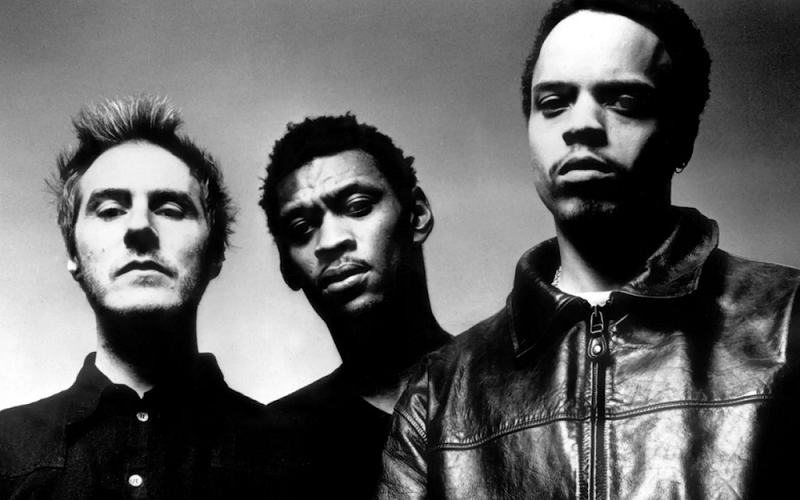
Massive Attack vient de réaliser en collaboration avec le Tyndall Center for Climate Change Research un court métrage sur les risques du changement climatique liés à la live musique.

 Billie Marten
 Faber Drive
 Paul Davis
 Tricky
 Graham Parker
 Ed Harcourt
 Phil Collins
 Supertramp
 Dare
 Incredible String Band
 Captain Everything!
 The Vapors