







(Fish / Marillion)
Punch
Punch and Judy
Punch and Judy
Punch and Judy
Washing machine, pinstripe dream
Stripped the gloss from a beauty queen
Punch and Judy, Judy
Found our nest, in the Daily Express
Met the vicar in a holy vest
Punch and Judy
Punch and Judy
Brought up the children Church of E
Now I vegetate with a colour TV
Worst ever thing that ever happened to me
Oh, for D.I.V.O.R.C.E.
Oh Judy
Whatever happened to pillow fights
Whatever happened to jeans so tight, Friday nights
Whatever happened to lover's lane
Whatever happened to passion games
Sunday walks in the pouring rain
Punch
Punch
Punch and Judy
Punch and Judy
Punch and Judy
Punch
Punch
Punch and Judy
Punch and Judy
Punch and Judy
Curling tongs, mogadons, "I got a headache baby, don't take so long"
Single beds, middle age dread
Losing the war in the Waistlands spread
Who left the cap of the toothpaste tube
Who forgot to flush the loo
Leave your sweaty socks outside the door
Don't walk across my polished floor, oh Judy
Whatever happened to morning smiles
Whatever happened to wicked wiles, permissive styles
Whatever happened to twinkling eyes
Whatever happened to hard fast drives
Complements on unnatural size
Punch
Punch
Punch and Judy
Punch and Judy
Punch and Judy
Punch
Punch
Punch and Judy
Punch and Judy
Punch and Judy
Propping up a bar, family car
Sweating out a mortgage as a balding clerk
Punch and Judy, Judy
World war three, suburbanshee
Just slip her these pills and I'll be free.
No more Judy
Judy, Judy no more!
Goodbye Judy!
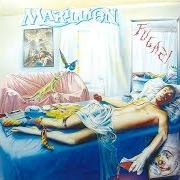
Marillion est un groupe britannique de rock progressif formé à Aylesbury en 1977. La formation originale comprenait Steve Hogarth (chant), Mark Kelly (claviers), Pete Trewavas (basse) et Ian Mosley (batterie). Leur son, caractérisé par des mélodies complexes, des paroles poétiques et une atmosphère souvent mélancolique, a acquis un public fidèle au fil des années. Après le succès de leur premier album, "Script for a Jester's Tear" (1983), le groupe a traversé plusieurs phases d'évolution, avec des changements dans la formation et des expérimentations musicales. Leur période la plus populaire fut dans les années 1980, avec des albums comme "Fugazi" (1984) et "Misplaced Childhood" (1985). Dans les années 1990, Marillion a continué à enregistrer et à se produire, maintenant un lien fort avec ses fans. Steve Hogarth est devenu le leader principal en 1989, conduisant le groupe vers une nouvelle ère musicale. Parmi leurs chansons les plus représentatives figurent "Kayleigh", "Incommunicado" et "The Leavers". Marillion reste aujourd'hui l'une des formations progressives les plus influentes et appréciées au monde.

 Flux Of Pink Indians
 Charli Xcx
 Keaton Henson
 Hotlegs
 Slowdive
 Deepest Blue
 Morrissey
 The Vaccines
 Status Quo
 Titanic
 Cradle Of Filth
 La Roux