





Shall I tell it again how we started as friends
who would run into one another now and again.
At the Yippee Cai O or the Mesa Dupree, or a dozen different everyday places to be.
I was living alone, we were ever so brave on the telephone.
Would you care to come down for fireworks time,
we could each just reach, we step out of line.
And the smell of the smoke and the lay of the land
and the feeling of finding one's heart in one's hand
and the tiny tin voice of the radio band singing "love must stand,"
love forever and ever must stand.
Unbelievable you, impossible me, the fool who fell out of the family tree,
the fellow that found the philosopher's stone, deep underground like a dinosaur bone.
Who fell into you at a quarter to two with a tear in your eye for the Fourth of July
for the patriots and the minutemen and the things you believe they believed in then
Such as freedom, and freedom's land and the kingdom of God and the rights of man
with the tiny tin voice of the radio band singing "love must stand,"
love forever and ever must stand and forever must stand.
Oh, the smell of the smoke as we lay on the land
and the feeling of finding my heart in my hand
with the tiny tin voice of the radio band singing "love must stand,"
love forever and ever must stand and forever must stand.
All on the Fourth of July, on the Fourth of July.
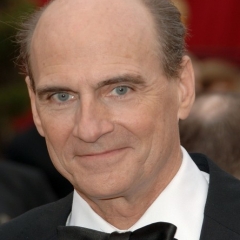
James Taylor est un musicien britannique, un claviériste éminent actif principalement dans les années 1970 et 1980. Il est connu pour ses collaborations avec des artistes tels que Elton John, David Bowie et Roxy Music. Il a contribué à définir le son du rock progressif et de la musique électronique de l'époque. Parmi ses morceaux les plus représentatifs figurent "The Man Who Sold the World" (cover de David Bowie), "Rocket Man" (Elton John) et "Virginia Plain" (Roxy Music).

 Fu Manchu
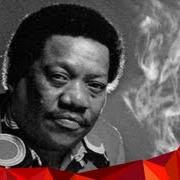 Bobby Bland
 Bright Eyes
 Guerilla Black
 Bobby Day
 Stephanie Edwards
 Rick Trevino
 John Berry
 Ferraby Lionheart
 Large Professor
 Valient Thorr
 Baths