



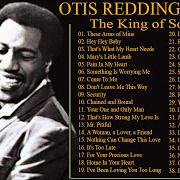
Otis Redding et Carla Thomas ont sorti une version de 'Lovey Dovey' en 1968. La chanson a atteint la 21e place des classements R&B et la 60e place des classements pop.






I said you're the cutest thing that I've ever seen
I really love your peaches, wanna shake your tree
Lovey dovey, lovey dovey all the time
Said lovey dovey, I can't get you out of my mind
I tell you that I love you and you ought to know
I love the way your father slammed the back door
Lovey dovey, lovey dovey all the time
Said lovey dovey, I can't get you out of my mind
I get a high when you kiss me and I'm on the ceiling
My knees get weak, my heart beats, my head starts dreaming
I love you pretty baby, place no one above
Give it up, I can't wait because
You're the cutest thing that I ever did see
Love those peaches, got to have that tree
Lovey dovey, lovey dovey all the time
Said lovey dovey, I can't get you out of my mind
I get a high when you kiss me and I'm on the ceiling
My knees get weak, my head starts dreaming
Give it up, I just can't wait
You're the cutest thing that I ever did see
I really love your peaches, got to shake that tree
Lovey dovey, lovey dovey all the time
Said lovey dovey, I can't get you out of my mind
And I'm walking and I'm talking but I feel alright
Said lovey dovey, I can't get you out of my mind
Lovey dovey, I can't get you out of my mind
Otis Ray Redding Jr. (1941-1967) était un chanteur américain de soul, considéré comme l'un des artistes les plus influents du genre. Né à Dawson, en Géorgie, Redding a commencé sa carrière musicale en chantant dans les églises et les clubs nocturnes du sud des États-Unis. En 1962, il signe avec Stax Records, où il connaît le succès avec des chansons comme "Respect" (une reprise de la chanson d'Aretha Franklin) et "Fa-Fa-Fa-Fa-Fine". Son style vocal puissant et émotif, caractérisé par une large gamme et une extraordinaire capacité d'interprétation, en a fait l'un des chanteurs soul les plus aimés. Parmi ses chansons les plus célèbres figurent "I've Been Loving You Too Long", "Try a Little Tenderness" et le succès mondial posthume "(Sittin' on) the Dock of the Bay". Sa mort tragique dans un accident d'avion en 1967, à l'âge de seulement 26 ans, a marqué la fin d'une carrière prometteuse et laissé un vide dans le paysage musical. Redding est rappelé comme un artiste génial et innovant qui a contribué à définir le style du soul moderne.

 Lillian Axe
 Sasha Pieterse
 Mo Pitney
 Dave Dudley
 Killwhitneydead
 Lincoln Brewste
 Soilent Green
 Fat Joe
 St. Lunatics
 Big Tuck
 Jay-Z
 Michael Gungor