


Let's talk about me for a minute
Well how do you think
I feel about what's been going on
Let's talk about me for a minute
Well how do you think
I feel about what's gone wrong
Let's talk about dreams
I never learned to read the signs
Let's think about what it all means
I never seem to have the time
Let's talk about you and your problems
All that I seem to do is spend the night
Just talking 'bout you and your problems
No matter what I say I can't get it right
Don't think about dreams
Is it all a waste of time
Don't think about what it all means
If you are a friend of mine
Talk about me, for a minute
I'm the one who's losing
Talk about me, for a minute
I'm the one who's always losing out
And how do you think
I feel about what's been going on
Let's talk about me for a minute
Well how do you think
I feel about what's gone wrong
Let's think about dreams
We never seem to have the time
Let's think about what it all means
If you are a friend of mine
Let's talk about me
I'm the one who's losing out
I'm the one who's losing out
I'm the one who's losing out, losing out
Talk about me, for a minute
I'm the one who's losing
Talk about me, for a minute
I'm the one who's always losing out
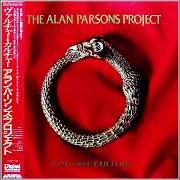
Alan Parsons est un musicien et producteur de disques anglais né en 1948. Il a commencé sa carrière comme ingénieur du son, collaborant avec des artistes renommés tels que Pink Floyd, The Beatles, Paul McCartney, The Hollies et Al Stewart. Il est surtout connu pour son travail sur "The Dark Side of the Moon" (1973) de Pink Floyd, considéré comme l'un des plus grands albums de rock jamais réalisés. En 1974, il a formé le projet Alan Parsons Project, qui a connu un succès international tout au long des années 1970 et 1980. Le projet a publié de nombreux albums de rock progressif, souvent caractérisés par des arrangements complexes et des paroles philosophiques. Parmi ses morceaux les plus représentatifs figurent "Eye in the Sky", "Sirius", "Games People Play" et "Time". Alan Parsons continue à produire de la musique et à donner des concerts.
