





Whenever I feel afraid, I hold my head erect
And whistle a happy tune so no one will suspect I'm afraid.
While shivering in my shoes, I try to tell each toe
To whistle a happy tune and no one ever knows I'm afraid.
The result of this deception is very strange to tell,
For when I fool the people I fear, I fool myself as well.
I whistle a happy tune, and every single time,
The happiness in the tune convinces me that I'm not afraid.
Make believe you're brave, that's the trick to take you far,
You may as brave as you make believe you are
(whistle)
You may as brave as you make believe you are.
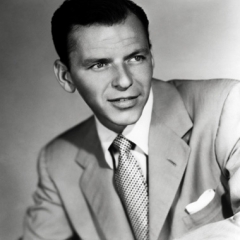
Francis Albert Sinatra, connu simplement comme Frank Sinatra, a été l'un des plus grands interprètes de la musique américaine du XXe siècle. Né à Hoboken, New Jersey, en 1915, Sinatra a commencé sa carrière musicale dans les années 1930 avec le groupe d'Harry James et ensuite avec celui de Tommy Dorsey. En 1942, il fait ses débuts en solo avec un contrat d'enregistrement avec Columbia Records. Sa voix chaude, puissante et versatile, ainsi que son charisme magnétique, l'ont fait devenir l'un des chanteurs les plus aimés au monde. Sinatra a interprété une large gamme de genres musicaux, du jazz au pop, en passant par le swing et la musique légère. Parmi ses chansons les plus célèbres figurent "My Way", "Fly Me to the Moon", "New York, New York" et "Strangers in the Night". Outre la musique, Sinatra a joué dans de nombreux films, remportant même un Oscar en 1954 pour son rôle dans "From Here to Eternity". Son influence sur la musique et la culture américaine a été immense, et continue d'être célébrée par des générations d'artistes et de fans.

 Jimmie Dale Gilmore
 Truth Hurts
 Billy Dean
 Tracie Spencer
 Pentagram
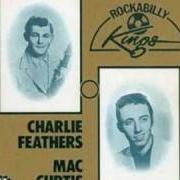 Charlie Feathers
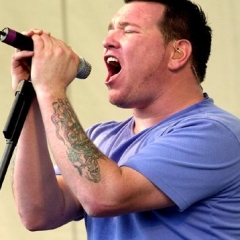 Smash Mouth
 Fang
 Beckett
 Rings Of Saturn
 Sophie B. Hawkins
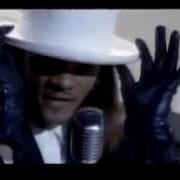 Jermaine Stewart