





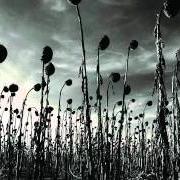
From ancient times to the present day
There have been those who have...? ? ?
So driven by the will to possess
Have pursued it to the very ends of the earth
We enter into it, it enters into us
We enter into it, it enters into us
As the wheel spins and turns from the words I seem to have learned
We enter into it, it enters into us
Fortune smiles upon our heads
? ? ? ...cling to the wall and wait
How we believe we seem to forgive and forget
Immersed in the security of our view of our world
There are those of you among us
Barren waiting places and empty skies
They're...? ? ? ...of our ways...? ? ? ...the silent account
They will leave behind the...? ? ? ...of a faceless child
We enter into it, it enters into us
We enter into it, it enters into us
As the wheel spins and turns from the words I seem to have learned
We enter into it, it enters into us
Fortune smiles upon our heads
? ? ? ...cling to the wall and wait
How we believe we seem to forgive and forget
Immersed in the security of our view of our world
Fortune smiles upon our heads
Fortune smiles upon our heads
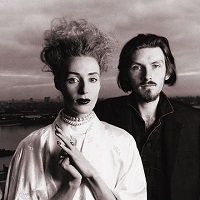
Dead Can Dance est un groupe musical australien formé en 1981 par Lisa Gerrard et Brendan Perry. Leur son, souvent décrit comme darkwave ou musique du monde, fusionne des éléments de musique classique, ethnique et rock progressif. Les voix aériennes de Gerrard et les mélodies envoûtantes de Perry créent une atmosphère mystérieuse et mystique. Parmi leurs chansons les plus représentatives figurent "The Host of Seraphim", "Within the Realm of a Dying Sun" et "Black Celebes". Leur album de début, "Dead Can Dance", est sorti en 1984, suivi d'une série d'albums qui ont consolidé leur succès international. Le groupe a collaboré avec des artistes tels que David Byrne et l'Orchestre symphonique de Melbourne.

 Alex Lloyd
 Ringworm
 The Avalanches
 Revive
 Primary
 Deez Nuts
 Butterfly Boucher
 Megan Washington
 James Morrison
 Hi-5
 This Providence
 Paul Colman Trio