







Don't think sorry's easily said
Don't try turning tables instead
You've taken lots of chances before
But I ain't gonna give anymore
Don't ask me
That's how it goes
'Cause part of me knows what you're thinkin'
Don't say words you're gonna regret
And don't let the fire rush to your head
I've heard the accusation before
And I ain't gonna take any more
Believe me
The sun in your eyes
Made some of the lies worth believing
I'm the eye in the sky
Looking at you
I can read your mind
I'm the maker of rules
Dealing with fools
I can cheat you blind
And I don't need to see anymore
To know that
I can read your mind, I can read your mind
Oh I can read your mind
Yes I can read your mind
Don't leave false illusions behind
And don't cry 'cause I ain't changing my mind
So find another fool like before, oh
'Cause I ain't gonna live anymore believing
Some of the lies while all of the signs are deceiving (so deceiving)
I'm the eye in the sky
Looking at you
I can read your mind
I'm the maker of rules
Dealing with fools
I can cheat you blind
And I don't need to see anymore
To know that
I can read your mind, I can read your mind
Oh I can read your mind
Yes I can read your mind
I'm the eye in the sky
Looking at you
I can read your mind
I'm the maker of rules
Dealing with fools
I can cheat you blind
And I don't need to see anymore
To know that
I can read your mind, I can read your mind
Oh I can read your mind
Yes I can read your mind
Pierre Corneille (1606-1684) fut un dramaturge français considéré comme l'un des plus importants du XVIIe siècle, aux côtés de Molière et Racine. Né à Rouen, il se distingua par ses pièces de théâtre à succès, caractérisées par une structure classique, des dialogues incisifs et des personnages mémorables. Parmi ses œuvres les plus célèbres figurent "Le Cid", "Polyeucte" et "Horace". Corneille fut influencé par le classicisme greco-romain et la philosophie cartésienne, qui ont influencé sa vision du monde et son style d'écriture. Ses pièces abordent des thèmes tels que l'amour, l'honneur, la justice et la foi, avec une attention particulière à la lutte entre l'individu et la société. Corneille reçut de nombreux prix durant sa vie, notamment son admission à l'Académie française en 1673. Son influence sur le théâtre français a été profonde et durable.

 Panik-J
 Boris Vian
 Florent Pagny
 Zebda
 Réda Caire
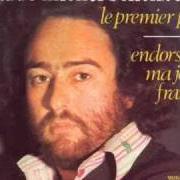 Claude-Michel Schonberg
 Jean Sablon
 Faudel
 Møme
 Timal
 Bramsito
 Julien Doré