








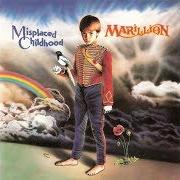
(Fish / Marillion)
And it was morning
And I found myself mourning, for a childhood that I thought had disappeared
I looked out the window
And I saw a magpie in the rainbow, the rain had gone I'm not alone
I turned to the mirror, I saw you, the child, that once loved
The child before they broke his heart
Our heart, the heart that I believed was lost
Hey you, surprised?
More than surprised, to find the answers to the questions, were always in your own eyes
Do you realize that you give it on back to her?
But that would only be retraced in all the problems that you ever knew
So untrue
For she's got to carry on with her life, and you've got to carry on with yours
So I see it's me, I can do anything
And I'm still the child
'Cos the only thing misplaced was direction
And I found direction
There is no Childhood's End
There is no Childhood's End
Cos' you are my childhood friend
Cos' you are my childhood friend
Oh lead me on
Hey you, you've survived
Now you've arrived, to be reborn in the shadow of the magpie
Now you realize, that you've got to get out of here
You've found the leading light of destiny, burning in the ashes of your memory
You want to change the world
You'd resigned yourself to die a broken rebel
But that was looking backward
Now you've found the light
You, the child that once loved
The child before they broke his heart
Our heart, the heart that I believed was lost
So it's me I see, I can do anything
I'm still the child
'Cos the only thing misplaced was direction, and I found direction
There is no childhood's end
There is no childhood's end
There is no childhood's end
I am your childhood friend
Oh, lead me on
Marillion est un groupe britannique de rock progressif formé à Aylesbury en 1977. La formation originale comprenait Steve Hogarth (chant), Mark Kelly (claviers), Pete Trewavas (basse) et Ian Mosley (batterie). Leur son, caractérisé par des mélodies complexes, des paroles poétiques et une atmosphère souvent mélancolique, a acquis un public fidèle au fil des années. Après le succès de leur premier album, "Script for a Jester's Tear" (1983), le groupe a traversé plusieurs phases d'évolution, avec des changements dans la formation et des expérimentations musicales. Leur période la plus populaire fut dans les années 1980, avec des albums comme "Fugazi" (1984) et "Misplaced Childhood" (1985). Dans les années 1990, Marillion a continué à enregistrer et à se produire, maintenant un lien fort avec ses fans. Steve Hogarth est devenu le leader principal en 1989, conduisant le groupe vers une nouvelle ère musicale. Parmi leurs chansons les plus représentatives figurent "Kayleigh", "Incommunicado" et "The Leavers". Marillion reste aujourd'hui l'une des formations progressives les plus influentes et appréciées au monde.

 Albert Hammond
 The Yardbirds
 Nick Kamen
 Al Stewart
 Shakatak
 Felt
 Ella Henderson
 Sky
 John Mayall & The Bluesbreakers
 The Pipettes
 Haven
 Jack Peñate