




Pream
Walkin' down an alabama road
Rememberin' what the Bible told
D gd am
Walkin' with a letter in his hand
D g d am
Dreaming of another southern land
Am
Walkin' down an alabama road
And he went by the name of william moore
Now what are you doing william moore
D g am
Why the letter in your hand?
D g am
There's only one southern land
And he went by the name of william moore
Am em am
What price the glory of one man?
C f
What price the glory of one man?
C em
What price the hopes,
F g
What price the dreams,
C f g c
And what price the glory of one man?
Remembering what his grandfather done
Fought for the south in '61
A hundred years have passed by since then
Now moore is fighting for the south again
Remembering what his grandfather done
Remembering the time in world war two
And the south pacific island that he knew
Remembering the young men that he killed
And the praying that the guns of hate be stilled
Remembering the time in world war two
What price the glory of one man?
What price the glory of one man?
What price the hopes,
What price the dreams,
And what price the glory of one man?
And they shot him on the alabama road
Forgot about what the Bible told
They shot him with that letter in his hand
As though he were a dog and not a man
And they shot him on the alabama road
Did you say it was a shame when he died?
Did you say he was fool because he tried?
Did you wonder who had fired the gun?
Did you know that it was you who fired the gun?
Did you say it was a shame when he died?
What price the glory of one man?
What price the glory of one man?
What price the hopes,
What price the dreams,
And what price the glory of one man?
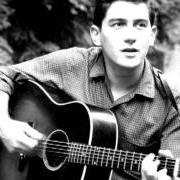
Phil Ochs (1940-1976) était un auteur-compositeur-interprète américain connu pour ses chansons de protestation politique et sociale. Né Philip David Ochs à El Paso, au Texas, il a commencé sa carrière musicale dans les années 1950, influencé par des artistes comme Woody Guthrie et Pete Seeger. Ochs s'est distingué par son engagement civique et sa capacité à transformer les événements politiques en paroles incisives et musicalement engageantes. Ses chansons abordaient des thèmes tels que la guerre du Vietnam, l'inégalité sociale et les droits civils, lui valant le surnom de "topical singer", un terme qu'il préférait à celui de chanteur de protestation. Parmi ses chansons les plus célèbres figurent "Draft Dodger Rag", "I Ain't Marching Anymore" et "Here's to the State of Mississippi". Ochs a sorti de nombreux albums, dont "Phil Ochs Sings", "Gun of Love" et "Pleasures of the Harbor", qui ont contribué à consolider sa position comme l'un des auteurs-compositeurs-interprètes de protestation les plus influents des années 1960. Sa musique a inspiré des générations d'artistes et continue d'être écoutée aujourd'hui pour son message de justice sociale et sa puissance évocatrice.

 Jay & The Americans
 A Wilhelm Scream
 A Bloody Canvas
 Recover
 Chris Jericho
 Heathen
 Larue
 Buddy Holly
 Luther Vandross
 Shelby Lynne
 Tv On The Radio
 Lycia