




Am CG
As I went out one evening to take the evening air
F GCF
I was blessed by a blood-red moon
Dm GAm G
In Lincoln Park the dark was turning
I spied a fair young maiden and a flame was in her eyes
And on her face lay the steel blue skies
Of Lincoln Park, the dark was turning
Turning
They spread their sheets upon the ground just like a wandering tribe
And the wise men walked in their Robespierre robes
Through Lincoln Park the dark was turning
The towers trapped and trembling, and the boats were tossed about
When the fog rolled in and the gas rolled out
From Lincoln Park the dark was turning
Turning
Like wild horses freed at last we took the streets of wine
But I searched in vain for she stayed behind
In Lincoln Park the dark was turning
I'll go back to the city where I can be alone
And tell my friend she lies in stone
In Lincoln Park the dark was turning
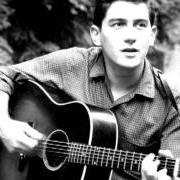
Phil Ochs (1940-1976) était un auteur-compositeur-interprète américain connu pour ses chansons de protestation politique et sociale. Né Philip David Ochs à El Paso, au Texas, il a commencé sa carrière musicale dans les années 1950, influencé par des artistes comme Woody Guthrie et Pete Seeger. Ochs s'est distingué par son engagement civique et sa capacité à transformer les événements politiques en paroles incisives et musicalement engageantes. Ses chansons abordaient des thèmes tels que la guerre du Vietnam, l'inégalité sociale et les droits civils, lui valant le surnom de "topical singer", un terme qu'il préférait à celui de chanteur de protestation. Parmi ses chansons les plus célèbres figurent "Draft Dodger Rag", "I Ain't Marching Anymore" et "Here's to the State of Mississippi". Ochs a sorti de nombreux albums, dont "Phil Ochs Sings", "Gun of Love" et "Pleasures of the Harbor", qui ont contribué à consolider sa position comme l'un des auteurs-compositeurs-interprètes de protestation les plus influents des années 1960. Sa musique a inspiré des générations d'artistes et continue d'être écoutée aujourd'hui pour son message de justice sociale et sa puissance évocatrice.

 Ugly Kid Joe
 116 Clique
 Am
 J-Five
 Blackfoot
 Bill Haley & His Comets
 Gillian Welch
 Podunk
 Ricky Nelson
 Paint It Black
 Kimya Dawson
 The Luchagors