







Time was when a man could live alone
A man could build a home, have a family of his own
The peaceful years would flow, he could watch his children grow
But it was a long time ago.
Time was when troubles were few
When there weren't so many people to tell you what to do.
It was a long time ago.
Time was when a man could have his land,
He could farm it with his hands, he was free to make a stand
He could live a life of toil, with his future in the soil,
But it was a long time ago.
Time was when troubles were few
When there weren't so many people to tell you what to do.
It was along time ago.
Time was when a man could have his pride,
There was justice on his side, and there was no need to hide,
The world was far away, there was truth in every day,
But it was along time ago.
Time was when troubles were few
When there weren't so many people to tell you what to do.
It was along time ago.
(repeat third verse)
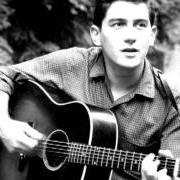
Phil Ochs (1940-1976) était un auteur-compositeur-interprète américain connu pour ses chansons de protestation politique et sociale. Né Philip David Ochs à El Paso, au Texas, il a commencé sa carrière musicale dans les années 1950, influencé par des artistes comme Woody Guthrie et Pete Seeger. Ochs s'est distingué par son engagement civique et sa capacité à transformer les événements politiques en paroles incisives et musicalement engageantes. Ses chansons abordaient des thèmes tels que la guerre du Vietnam, l'inégalité sociale et les droits civils, lui valant le surnom de "topical singer", un terme qu'il préférait à celui de chanteur de protestation. Parmi ses chansons les plus célèbres figurent "Draft Dodger Rag", "I Ain't Marching Anymore" et "Here's to the State of Mississippi". Ochs a sorti de nombreux albums, dont "Phil Ochs Sings", "Gun of Love" et "Pleasures of the Harbor", qui ont contribué à consolider sa position comme l'un des auteurs-compositeurs-interprètes de protestation les plus influents des années 1960. Sa musique a inspiré des générations d'artistes et continue d'être écoutée aujourd'hui pour son message de justice sociale et sa puissance évocatrice.

 Empire Cast
 The O.C. Supertones
 The Honor System
 Bane
 Lauriana Mae
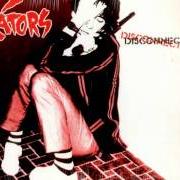 Stiv Bators
 Cory Branan
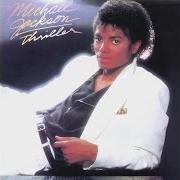 P.Y.T.
 Sheek Louch
 Aaron Sprinkle
 Inhumido
 Tsu Surf