



I got the news today
That you refused to play
Cause you never made number one
But it's not just the words
It's the deeds that are heard
When all is said and done
Kings take their crowns
They melt them all down
Trying to get the gold out
You went to hell and
Even when you weren't selling
You never ever sold out.
You weren't no leader,
You were more like a bleeder
Who was trying to cry for us all
You weren't no sage
But your sense of outrage
Sounded like a trumpet call
Fifteen years ago
In the old folky show
You were just one voice in the crowd
But now with so few singing
Your voice would have been ringing
Out 'bout twice as loud.
There but for fortune
Say a small circle of friends
Some may see the changes
So few see the ends
The pleasures of the harbor
Have come to you at last
You may not be marching anymore
But the parade's still going past.
I'm not taking the blame
That we killed you
You know you did that to yourself
But it was kind of a shame
That you played that game
You were better than anyone else
One shot of your bottle
Got you full throttle
It was the friend that was always there
But your greatest gift
And the curse you lived with
Was that you could always care.
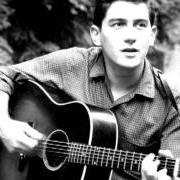
Phil Ochs (1940-1976) était un auteur-compositeur-interprète américain connu pour ses chansons de protestation politique et sociale. Né Philip David Ochs à El Paso, au Texas, il a commencé sa carrière musicale dans les années 1950, influencé par des artistes comme Woody Guthrie et Pete Seeger. Ochs s'est distingué par son engagement civique et sa capacité à transformer les événements politiques en paroles incisives et musicalement engageantes. Ses chansons abordaient des thèmes tels que la guerre du Vietnam, l'inégalité sociale et les droits civils, lui valant le surnom de "topical singer", un terme qu'il préférait à celui de chanteur de protestation. Parmi ses chansons les plus célèbres figurent "Draft Dodger Rag", "I Ain't Marching Anymore" et "Here's to the State of Mississippi". Ochs a sorti de nombreux albums, dont "Phil Ochs Sings", "Gun of Love" et "Pleasures of the Harbor", qui ont contribué à consolider sa position comme l'un des auteurs-compositeurs-interprètes de protestation les plus influents des années 1960. Sa musique a inspiré des générations d'artistes et continue d'être écoutée aujourd'hui pour son message de justice sociale et sa puissance évocatrice.

 The Icarus Line
 Veronica Ballestrini
 Duwap Kaine
 Jonathan Clay
 Lil' Jon & The East Side Boyz
 Fabiola Tommaseo
 Afroman
 K-Rino
 Kathie Lee Gifford
 Nina Gordon
 Infectious Grooves
 Drew Sidora