








[first: the melody by itself, whistled]
Way high, so high:
Travelin' fast and free.
Spaceman, look down:
Tell me what you see.
Can you see the hunger there
Strike without a sound?
Can you see the food you burn
As you circle round?
Way high, so high:
All the world will cheer.
Spaceman, look down:
Tell me what you hear.
Can you hear a child cry,
Body filled with pain?
Deadly sores when cures are there--
How much fuel remains?
Way high, so high:
Spaceship made of steel.
Spaceman, look down:
Tell me what you feel.
Can you feel the money gone
As you sail through space?
Can you feel how many die
When you win the race?
Way high, so high:
Travelin' fast and free.
Spaceman, look down:
Tell me what you see.
[end: first two lines of the melody again, whistled.]
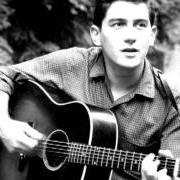
Phil Ochs (1940-1976) était un auteur-compositeur-interprète américain connu pour ses chansons de protestation politique et sociale. Né Philip David Ochs à El Paso, au Texas, il a commencé sa carrière musicale dans les années 1950, influencé par des artistes comme Woody Guthrie et Pete Seeger. Ochs s'est distingué par son engagement civique et sa capacité à transformer les événements politiques en paroles incisives et musicalement engageantes. Ses chansons abordaient des thèmes tels que la guerre du Vietnam, l'inégalité sociale et les droits civils, lui valant le surnom de "topical singer", un terme qu'il préférait à celui de chanteur de protestation. Parmi ses chansons les plus célèbres figurent "Draft Dodger Rag", "I Ain't Marching Anymore" et "Here's to the State of Mississippi". Ochs a sorti de nombreux albums, dont "Phil Ochs Sings", "Gun of Love" et "Pleasures of the Harbor", qui ont contribué à consolider sa position comme l'un des auteurs-compositeurs-interprètes de protestation les plus influents des années 1960. Sa musique a inspiré des générations d'artistes et continue d'être écoutée aujourd'hui pour son message de justice sociale et sa puissance évocatrice.

 Flipsyde
 Jackson Guthy
 Dc Talk
 His Name Is Alive
 Dave Melillo
 Jason Weaver
 Vanness Wu
 Christmas
 Tom Paxton
 Phil Keaggy
 Dean Reed
 Silversun Pickups