








I don't know what you're waiting for - Mary is out the door.
Why would I lie? Why would I lie?
Through the dust and the fading light shall I tell you what I spy?
Mississippi-Southern owns the train but I know it's got another name.
Why would I lie? Why would I lie?
It's a race to the edge of the night.
Hmmm, Great Sorrow's got you in its lights.
Run, run! Try to catch the sun.
Don't be slack - Great Sorrow is on the tracks.
Run, run! Try to catch the sun.
Don't look back - Great Sorrow is on the track.
I don't know what you're waiting for - Mary is out the door.
Why would I lie? Why would I lie?
When it calls from the edge of the night shall I tell you what I spy?
Run, run! Try to catch the sun.
Don't be slack - Great Sorrow is on the track.
Run, run! Try to catch the sun.
Don't look back - Great Sorrow is on your track.
I don't know what you call that train - Gone, buddy, that's the name.
Gone.
Gone.
Gone.
Pere Ubu est un groupe de rock expérimental américain formé à Cleveland, Ohio, en 1975. Fondé par le chanteur David Thomas et le guitariste Peter Laughner, le groupe a connu plusieurs changements de formation qui ont inclus Allen Ravenstine, Scott Krauss (batterie) et Tony Maimone (basse). Laughner a quitté le groupe en 1976 pour être remplacé par Tom Herman. Pere Ubu est connu pour son son expérimental et provocateur qui fusionne des éléments de rock, punk, avant-garde et noise. Leur musique se caractérise par des paroles sombres et surréalistes, souvent inspirées par la culture pop américaine et le cinéma exploitation. Parmi leurs chansons les plus représentatives figurent "Street Waves", "Final Solution" et "Non-Alignment Pact". Leur album de début, "The Modern Dance", sorti en 1978, est considéré comme un classique du post-punk. Pere Ubu a continué à enregistrer et à se produire jusqu'à aujourd'hui, conservant une base de fans fidèle grâce à leur musique innovante et au charisme de David Thomas.

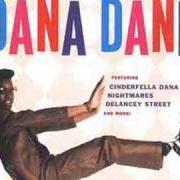 Dana Dane
 Jake Coco
 Nature
 Cap'N Jazz
 Phil Keaggy
 Confide
 Khalil
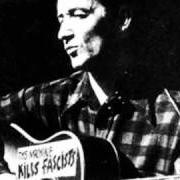 Woody Guthrie
 Fluent
 Robbie Nevil
 Bishop Briggs
 Jennifer Holliday