






I opened the paper, there was your picture
Gone, gone, gone by your own hand
I couldn't believe it, the paper was shakin'
Gone, gone, gone by your own hand
I know I'm gonna spend the rest of my lifetime wondering why
You found yourself so badly hurt you had to die
I opened the paper, there was your picture
Gone, gone, gone by your own hand
The phone started ringing, had I heard about it?
I shook every time I heard it ring
What was my reaction? I put the phone down
That was the only news that was fit to sing
They ask about dylan, about macdougal street and third
Question piled on question and each question more absurd
I opened the paper, there was your picture
Gone, gone, gone by your own hand
**
Oh, I remember "there but for fortune",
There but for fortune you and I would go
Fortune turned it's back on you,
Or so it must have seemed to you,
Christ alone knows what was the final blow
The last time I saw you, the last time I saw you,
Bleeker street outside the other end
I told you I'd see you, I got distracted
I never saw your face again
I heard that you were feeling stronger every day
I heard that you were well with good things on their way
Then I opened the paper, there was your picture
Gone, gone, gone by your own hand.
(repeat from **)
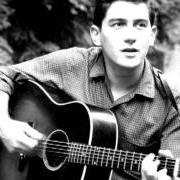
Phil Ochs (1940-1976) était un auteur-compositeur-interprète américain connu pour ses chansons de protestation politique et sociale. Né Philip David Ochs à El Paso, au Texas, il a commencé sa carrière musicale dans les années 1950, influencé par des artistes comme Woody Guthrie et Pete Seeger. Ochs s'est distingué par son engagement civique et sa capacité à transformer les événements politiques en paroles incisives et musicalement engageantes. Ses chansons abordaient des thèmes tels que la guerre du Vietnam, l'inégalité sociale et les droits civils, lui valant le surnom de "topical singer", un terme qu'il préférait à celui de chanteur de protestation. Parmi ses chansons les plus célèbres figurent "Draft Dodger Rag", "I Ain't Marching Anymore" et "Here's to the State of Mississippi". Ochs a sorti de nombreux albums, dont "Phil Ochs Sings", "Gun of Love" et "Pleasures of the Harbor", qui ont contribué à consolider sa position comme l'un des auteurs-compositeurs-interprètes de protestation les plus influents des années 1960. Sa musique a inspiré des générations d'artistes et continue d'être écoutée aujourd'hui pour son message de justice sociale et sa puissance évocatrice.

 Aj Michalka
 K-Rino
 Jag Panzer
 Chris Rice
 Jerry Garcia Band
 Neon Trees
 East West
 Tha Eastsidaz
 Algebra
 Tantric
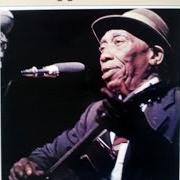 Mississippi John Hurt
 Chris Jericho