

One more heartache, baby,
I can't take it now.
My heart is carrying such a heavy load,
One more ache would break it.
Just like a camel,
With a heavy pack,
One last straw, they say,
Broke the camel's back.
Oh, wo, babe, I can't take it,
I can't stand it now.
One more heartache,
It would turn me right around.
First you build my hopes up high,
Then you let me down.
Like a house that's built of toothpicks,
Set up on a kitchen chair,
One last toothpick tore it down,
The foundation was not able
Oh, wo, baby, I can't take it,
I can't stand it now.
One more heartache,
One more heartache, babe
I can't take it now.
My heart is carrying such a heavy load,
One more ache would break it.
Just like a camel,
With a heavy pack,yeah,
One last straw, they say,
Broke the camel's back.
Oh, wo, babe, I can't take it,
I can't stand it now.
One more
Heartache babe
One more, now
Heartache baby
Without your love,
Without your love, baby,
I can't stand it no longer.
Come on
Won't you listen to my plea,
Please baby
Please baby
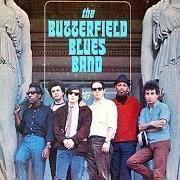
The Paul Butterfield Blues Band était un groupe de blues américain actif des années 1960 aux années 1970. Fondé à Chicago en 1963 par Paul Butterfield, un talentueux joueur d'harmonica et chanteur, le groupe a rapidement gagné en popularité pour son son puissant et authentique, influencé par le blues classique du Delta et la musique folk américaine. Butterfield était connu pour ses performances énergiques et son talent musical exceptionnel, tandis que d'autres membres clés du groupe incluaient Mike Bloomfield (guitare), Sam Lay (batterie) et Elvin Bishop (guitare). The Paul Butterfield Blues Band a contribué à définir l'évolution du blues rock dans les années 1960, influençant des générations de musiciens. Parmi leurs chansons les plus représentatives figurent "Born in Chicago", "East-West" et "The Promised Land". L'album "The Paul Butterfield Blues Band" (1965) est considéré comme un classique du genre.
