


Riding on my bicycle I saw a motorcrash,
A proper motorcrash and lots of spectators.
I rushed to the centre saw the injured parents,
Cuts on the children,
An awful motorcrash.
Dangerous terribly bloody motorcrash,
Destructive motorcrash.
Took the mother,
Sneaked with her secretly all the way to my home,
And nursed her gently put on her bandages,
Gave her milk and biscuits,
She sighed pleasantly after this awful motorcrash.
That girl on that bicycle showed great interest in
All the motorcrashes in the neighbourhood,
She look quite innocent,
But believe you me I know what innocence looks like and it wasnt there,
After she got that bicycle.
Then we disguised ourselves,
Took a taxi to her home,
When her husband opened the door she introduced her-self,
He said where have you been all this time?
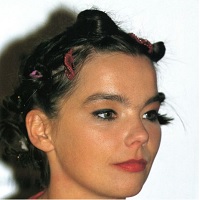
Björk Guðmundsdóttir, connue simplement sous le nom de Björk, est une chanteuse-compositrice, productrice discographique, actrice et activiste islandaise. Considérée comme l'une des artistes les plus innovantes et influentes du paysage musical contemporain, Björk a acquis une renommée internationale grâce à sa musique expérimentale qui fusionne des éléments électroniques, jazz, ambient et classiques. Née à Reykjavík en 1965, elle commence sa carrière musicale à l'âge de 11 ans avec le groupe punk Tappi Tíkarrass. En 1977, elle forme le groupe The Sugarcubes, qui connaît un succès modéré à l'échelle internationale dans les années 1980. Après la dissolution du groupe, Björk entame une carrière solo en 1993 avec l'album "Debut", qui devient un succès mondial. Ses albums suivants, tels que "Post" (1995), "Homogenic" (1997) et "Vespertine" (2001), consolident son statut d'artiste visionnaire et expérimentale. Björk est connue pour ses performances théâtrales innovantes et son esthétique unique, caractérisée par des vêtements futuristes et une image provocante. Parmi ses chansons les plus représentatives, on peut citer "Hyperballad", "Army of Me", "Joga" et "Pagan Poetry".

 Ásgeir Trausti
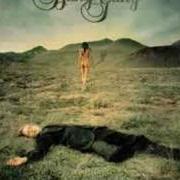 Bang Gang
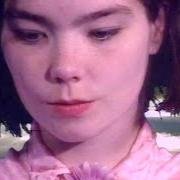 Sugarcubes
 Ólafur Arnalds
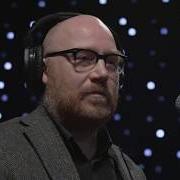 Jóhann Jóhannsson
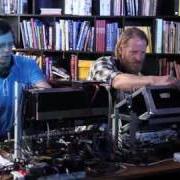 Gus Gus
 Nydonsk
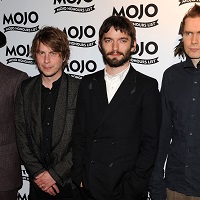 Sigur Rós
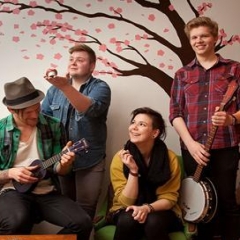 Of Monsters And Men