





D G C D
Oh I marched to the battle of New Orleans
G C D
At the end of the early British war
G C
The young land started growing
G
The young blood started flowing
C Am D
But I ain't marchin' anymore
For I've killed my share of Indians
In a thousand different fights
I was there at the Little Big Horn
I heard many men lying
I saw many more dying
But I ain't marchin' anymore
C G
It's always the old to lead us to the war
C Am D
It's always the young to fall
Now look at all we've won with the sabre and the gun
Tell me is it worth it all
For I stole California from the Mexican land
Fought in the bloody Civil War
Yes I even killed my brother
And so many others
And I ain't marchin' anymore
For I marched to the battles of the German trench
In a war that was bound to end all wars
Oh I must have killed a million men
And now they want me back again
But I ain't marchin' anymore
(chorus)
For I flew the final mission in the Japanese sky
Set off the mighty mushroom roar
When I saw the cities burning
I knew that I was learning
That I ain't marchin' anymore
Now the labor leader's screamin' when they close the missile plants,
United Fruit screams at the Cuban shore,
Call it
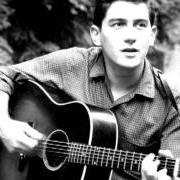
Phil Ochs (1940-1976) était un auteur-compositeur-interprète américain connu pour ses chansons de protestation politique et sociale. Né Philip David Ochs à El Paso, au Texas, il a commencé sa carrière musicale dans les années 1950, influencé par des artistes comme Woody Guthrie et Pete Seeger. Ochs s'est distingué par son engagement civique et sa capacité à transformer les événements politiques en paroles incisives et musicalement engageantes. Ses chansons abordaient des thèmes tels que la guerre du Vietnam, l'inégalité sociale et les droits civils, lui valant le surnom de "topical singer", un terme qu'il préférait à celui de chanteur de protestation. Parmi ses chansons les plus célèbres figurent "Draft Dodger Rag", "I Ain't Marching Anymore" et "Here's to the State of Mississippi". Ochs a sorti de nombreux albums, dont "Phil Ochs Sings", "Gun of Love" et "Pleasures of the Harbor", qui ont contribué à consolider sa position comme l'un des auteurs-compositeurs-interprètes de protestation les plus influents des années 1960. Sa musique a inspiré des générations d'artistes et continue d'être écoutée aujourd'hui pour son message de justice sociale et sa puissance évocatrice.

 Death Angel
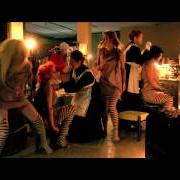 Emilie Autumn
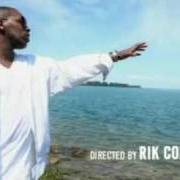 K'Jon
 Cheap Sex
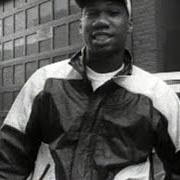 Boogie Down Productions
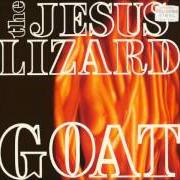 The Jesus Lizard
 Eladio Carrión
 Hum
 Kirko Bangz
 Jordan Hill
 Jake Miller
 Dead Kennedys