






B Em C7 D Em
How long, how long can we go on
F# G B
How long, how long can we go on,
C D
This troubled land may never last
C D Em
There is no future in the past
How far, how far have we gone
How far, how far have we gone,
So many battles without a gain(so many struggles have we lost)
So many young men lost in vain.(so many men on the cross)
*chorus*
G D
Why the fear of the coming of the morning?
G Em
Why the trembling at the call?
G D
Can't we hear the final warning,
C Em
Can't we see the writing on the wall?
So many years before the dawn,
So many years before the dawn,
So many children have never grown
So many cannonballs have flown.
(so many dogs have hid their bone)
So many rains have had to fall,
So many rains have had to fall,
So many storms before the flood
So many rainbows red with blood.
Why the fear of the comin' of the morning?
Why the trembling at the call?
Can't we hear the final warning?
Can't we see the writing on the wall?
How long, how long can we go on
How long, how long can we go on,
This troubled land may never last
There is no future in the past.
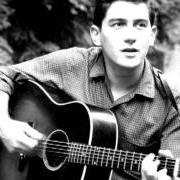
Phil Ochs (1940-1976) était un auteur-compositeur-interprète américain connu pour ses chansons de protestation politique et sociale. Né Philip David Ochs à El Paso, au Texas, il a commencé sa carrière musicale dans les années 1950, influencé par des artistes comme Woody Guthrie et Pete Seeger. Ochs s'est distingué par son engagement civique et sa capacité à transformer les événements politiques en paroles incisives et musicalement engageantes. Ses chansons abordaient des thèmes tels que la guerre du Vietnam, l'inégalité sociale et les droits civils, lui valant le surnom de "topical singer", un terme qu'il préférait à celui de chanteur de protestation. Parmi ses chansons les plus célèbres figurent "Draft Dodger Rag", "I Ain't Marching Anymore" et "Here's to the State of Mississippi". Ochs a sorti de nombreux albums, dont "Phil Ochs Sings", "Gun of Love" et "Pleasures of the Harbor", qui ont contribué à consolider sa position comme l'un des auteurs-compositeurs-interprètes de protestation les plus influents des années 1960. Sa musique a inspiré des générations d'artistes et continue d'être écoutée aujourd'hui pour son message de justice sociale et sa puissance évocatrice.

 Less Than Jake
 Christmas Carols
 Ariana Grande
 Kurt Travis
 Ducky Boys
 Cake Like
 Project Pat
 Walter Egan
 Eddie Cantor
 Sunshine Anderson
 Ill Bill
 Bleu