








Wandering through this rolling land
Wandering all around
From the deserts dry, to mountains high
And everywhere here's what I found
I've found green hills rolling to the valleys
Rolling to the grassy plains, rolling to the sand
And the blue streams rolling to the rivers
Rolling to the silver bay, rolling to the sea
In the spring time and the summer rain
And the winter's cold and clean
And the leaves were kissed by the autumn mist
And everywhere here's what I've seen
I've seen green hills rolling to the valleys
Rolling to the grassy plains, rolling to the sand
And the blue streams rolling to the rivers
Rolling to the silver bay, rolling to the sea
And these young hands may be growing old
And this brown hair may turn to gray
We may come and go but still one thing I know
That this rolling land is here to stay
All the green hills rolling to the valleys
Rolling to the grassy plains, rolling to the sand
And the blue streams rolling to the rivers
Rolling to the silver bay, rolling to the sea
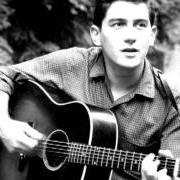
Phil Ochs (1940-1976) était un auteur-compositeur-interprète américain connu pour ses chansons de protestation politique et sociale. Né Philip David Ochs à El Paso, au Texas, il a commencé sa carrière musicale dans les années 1950, influencé par des artistes comme Woody Guthrie et Pete Seeger. Ochs s'est distingué par son engagement civique et sa capacité à transformer les événements politiques en paroles incisives et musicalement engageantes. Ses chansons abordaient des thèmes tels que la guerre du Vietnam, l'inégalité sociale et les droits civils, lui valant le surnom de "topical singer", un terme qu'il préférait à celui de chanteur de protestation. Parmi ses chansons les plus célèbres figurent "Draft Dodger Rag", "I Ain't Marching Anymore" et "Here's to the State of Mississippi". Ochs a sorti de nombreux albums, dont "Phil Ochs Sings", "Gun of Love" et "Pleasures of the Harbor", qui ont contribué à consolider sa position comme l'un des auteurs-compositeurs-interprètes de protestation les plus influents des années 1960. Sa musique a inspiré des générations d'artistes et continue d'être écoutée aujourd'hui pour son message de justice sociale et sa puissance évocatrice.

 Jace Everett
 Prozzak
 Mortician
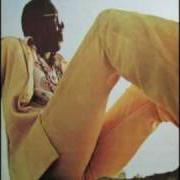 Curtis Mayfield
 Xxxtentacion
 Rose Funeral
 Bad Cop / Bad Cop
 The Ditty Bops
 Throw The Fight
 Bridgit Mendler
 Jennette Mccurdy
 Ally Mcbeal