







Here am I, I'm laying all my cards upon the table
I'll be on the level just as far as I am able
Open up the goods and I will let you see the label
I'm strictly on the up and up
I've got a lot, a lot of what I've got
And what I've got's all mine
I could spare a little share of what I've got, for you
Come up and see me sometime
You'll get a break, a lot o' give and take
I've got a brand new line
Maybe you would like me to explain it all to you
Come up and see me sometime
Come up tonight
I think the papers say the moon will be bright
They should've had it in the columns and all
Letters, that's all
That you'll be falling for me
'Cause I am free and you appeal to me
How could it be a crime?
If you don't have my number,
Well, my number's in the book
Come up and see me sometime
Come up and see me sometime
Anytime
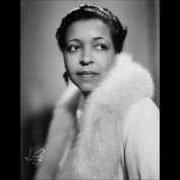
Ethel Waters (31 octobre 1896 – 1 septembre 1977) était une chanteuse et actrice américaine de blues et de jazz. Née à Chester, en Pennsylvanie, dans une famille pauvre, Waters a commencé sa carrière musicale dans les clubs de Harlem pendant les années 1920. Sa voix puissante et polyvalente lui a permis de captiver le public avec des chansons de blues comme «Dinah» et «Black Coffee», devenant une icône de la musique afro-américaine. Tout au long des années 1930, Waters s'est également établie dans le monde du théâtre, jouant dans des productions à succès telles que «Mamba’s Daughter». En 1948, elle a obtenu son premier rôle au cinéma dans «Pinky», un film qui lui a valu une nomination aux Oscars. Tout au long de sa longue carrière, Ethel Waters a laissé une empreinte indélébile sur la musique et le théâtre américains, devenant un symbole de talent et de persévérance.

 New Heights
 Heartless Bastards
 Tracy Chapman
 Jimmie Rodgers
 Johnny Van Zant
 Greg Laswell
 Tlc
 Kevin Ortiz
 Pia Mia
 We The Kings
 Head East
 Hey Mercedes