








Sit by my side, come as close as the air,
Share in a memory of gray;
Wander in my words, dream about the pictures
That I play of changes.
Green leaves of summer turn red in the fall
To brown and to yellow they fade.
And then they have to die, trapped within
the circle time parade of changes.
Scenes of my young years were warm in my mind,
Visions of shadows that shine.
Til one day I returned and found they were the
Victims of the vines of changes.
The world's spinning madly, it drifts in the dark
Swings through a hollow of haze,
A race around the stars, a journey through
The universe ablaze with changes.
Moments of magic will glow in the night
All fears of the forest are gone
But when the morning breaks they're swept away bygolden drops of dawn, of changes.
Passions will part to a strange melody.
As fires will sometimes burn cold.
Like petals in the wind, we're puppets to the silver
strings of souls, of changes.
Your tears will be trembling, now we're somewhere else,
One last cup of wine we will pour
And I'll kiss you one more time, and leave you on
the rolling river shores of changes.
(repeat first verse)
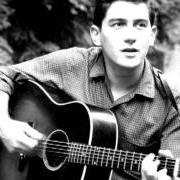
Phil Ochs (1940-1976) était un auteur-compositeur-interprète américain connu pour ses chansons de protestation politique et sociale. Né Philip David Ochs à El Paso, au Texas, il a commencé sa carrière musicale dans les années 1950, influencé par des artistes comme Woody Guthrie et Pete Seeger. Ochs s'est distingué par son engagement civique et sa capacité à transformer les événements politiques en paroles incisives et musicalement engageantes. Ses chansons abordaient des thèmes tels que la guerre du Vietnam, l'inégalité sociale et les droits civils, lui valant le surnom de "topical singer", un terme qu'il préférait à celui de chanteur de protestation. Parmi ses chansons les plus célèbres figurent "Draft Dodger Rag", "I Ain't Marching Anymore" et "Here's to the State of Mississippi". Ochs a sorti de nombreux albums, dont "Phil Ochs Sings", "Gun of Love" et "Pleasures of the Harbor", qui ont contribué à consolider sa position comme l'un des auteurs-compositeurs-interprètes de protestation les plus influents des années 1960. Sa musique a inspiré des générations d'artistes et continue d'être écoutée aujourd'hui pour son message de justice sociale et sa puissance évocatrice.

 Amie Comeaux
 George Jones
 The Paper Chase
 Natalie Prass
 Steve Perry
 The Postmarks
 Steel Panther
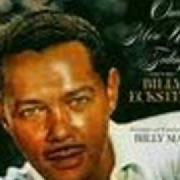 Billy Eckstine
 Bad Examples
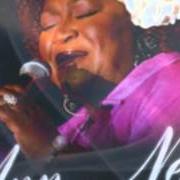 Ann Nesby
 Christopher Cross
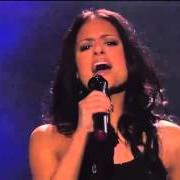 Pia Toscano