

Why, why, why, oh yeah now,
Must the black man strain?
Why people, must he sweat and strain?
He toil each day
From dawn 'til dusk (yes a true)
Tryin' to achieve (yes a true)
The little he can (we know a true)
But just can't make it (a really true)
I wonder what's wrong (we know a true)
What's wrong now? (a really true)
Tell me, what's wrong...
Why, why must the black man strain?
I really wanna know people, now
Must he sweat and strain?
He toil each day
From dawn 'til dusk (yes a true)Tryin' to achieve (yes a true)
The little he can (we know a true)
But just can't make it (a really true)
I wonder what's wrong (we know a true)
What's wrong now? (a really true)
Tell me, what's wrong...
Why, why must the black man strain?
I really wanna know people, now
Must he sweat and strain?
Tell me, tell me
Must the black man strain?
I really wanna know people, now
Must he sweat and strain?
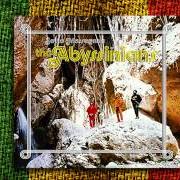
The Abyssinians sont un groupe de reggae jamaïcain formé à Kingston en 1969. Composé de Bernard Collins, Donald Manning et Linford Manning, ils ont atteint la renommée internationale dans les années 1970 avec des chansons comme "Satta Massagana", qui est devenue un hymne du mouvement rastafari. Leur style musical se caractérise par des mélodies spirituelles, des paroles profondément ancrées dans la culture jamaïcaine et une forte composante dub. Parmi leurs albums les plus importants figurent "Declaration of Dub" (1976), "Last Days" (1978) et "Planet Reggae" (1979). The Abyssinians ont continué à enregistrer et à se produire jusqu'à nos jours, contribuant de manière significative à la diffusion du reggae dans le monde entier.
