








(DickKellyMosleyRotheryTrewavas)
I went to Morisson's grave at Pere Lachaise cemetery
The stony flowers and the matching graffiti were guiding me
To the steps inside of me
And what would you do if I got down on my knees to you
What would you do if I lied to your face
Could you still hold your dreams
Could you live with your silent face
So what would you do would you walk right through me
Would you stand in the way like the others before
Get in the way
Would you drink to me next Beaujolais day
Tell me the truth save a prayer for me
I would love to leave you but you would cry all night long
Eternal romantic victory failed on Beaujolais day
I heard a wheelchair whisper across a stale silent gymnasium
Trailing an ivy league jacket like a matador
Through the jitterbug steps of the night before
Through the chalk white chill and the tear fandango
Heading away to the inner wrangle
Do we cry for a cell
Do we need for a cell
What would you do would you cry for me
Could you set off ... could we go gently
Blame it away
Do you really want to head for the open door
Got to crack a bottle while you dream for me
Just an absent friend and a misery
Laying awake do we stay right there
'Till Beaujolais day
On Beaujolais day
So what would you do would you lie to me
Would you sit right back in a victory
Would you play for me
Could you die for me
So what would you do would you walk right through me
Heading away saying it's just another victory
This is Beaujolais day
Marillion est un groupe britannique de rock progressif formé à Aylesbury en 1977. La formation originale comprenait Steve Hogarth (chant), Mark Kelly (claviers), Pete Trewavas (basse) et Ian Mosley (batterie). Leur son, caractérisé par des mélodies complexes, des paroles poétiques et une atmosphère souvent mélancolique, a acquis un public fidèle au fil des années. Après le succès de leur premier album, "Script for a Jester's Tear" (1983), le groupe a traversé plusieurs phases d'évolution, avec des changements dans la formation et des expérimentations musicales. Leur période la plus populaire fut dans les années 1980, avec des albums comme "Fugazi" (1984) et "Misplaced Childhood" (1985). Dans les années 1990, Marillion a continué à enregistrer et à se produire, maintenant un lien fort avec ses fans. Steve Hogarth est devenu le leader principal en 1989, conduisant le groupe vers une nouvelle ère musicale. Parmi leurs chansons les plus représentatives figurent "Kayleigh", "Incommunicado" et "The Leavers". Marillion reste aujourd'hui l'une des formations progressives les plus influentes et appréciées au monde.

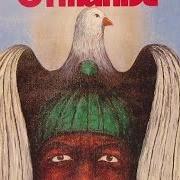 Cymande
 John Barry
 Raven
 Dan Le Sac Vs Scroobius Pip
 Graham Nash
 Anjali
 Tom Parker
 Sal Solo
 Still Life
 Ride
 Roachford
 Jump